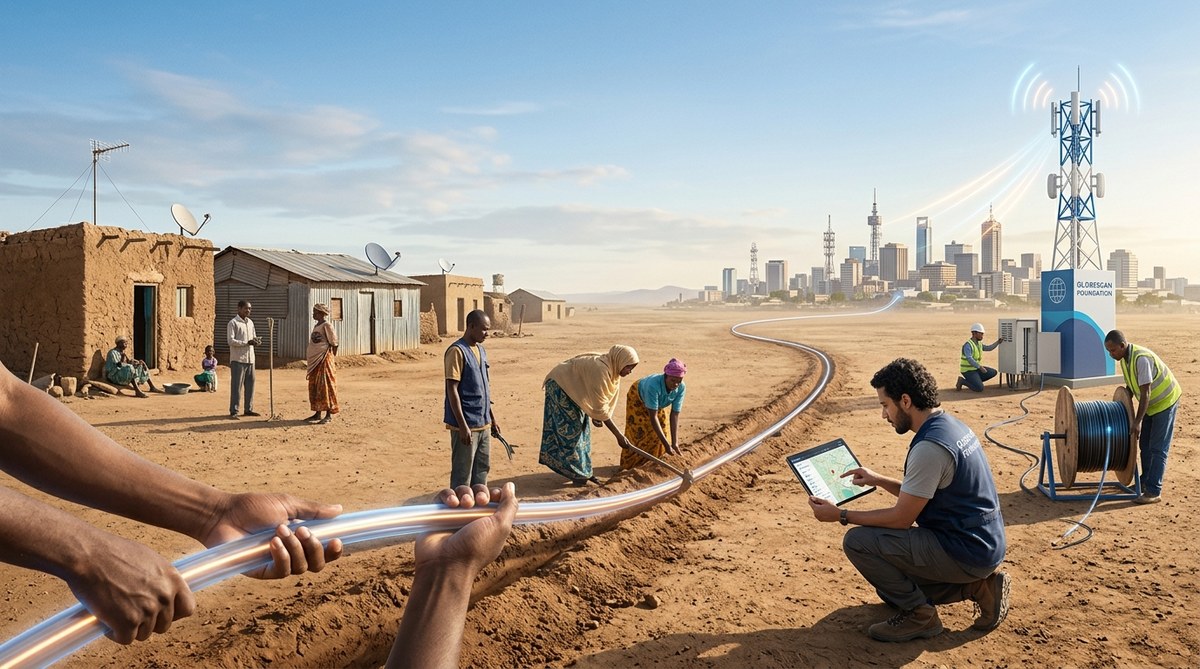
In a world flooded with data, information still travels unevenly. In many developing nations, communities face barriers to obtaining reliable data, understanding complex information, and turning insights into action. This gap does more than slow development it can widen inequalities in health, education, and governance. At GlobeScan Foundation, we believe that bridging information gaps is not just a technical challenge but a social one. It requires inclusive data ecosystems, people centered communication, and strong partnerships that translate information into opportunity. This article explores practical, human centered strategies to close the information gap and accelerate progress toward poverty reduction, human rights protection, and shared hope.
Understanding why information gaps persist in developing nations
The data divide is both access and usefulness
- Access: Even in a world of abundant data, many communities cannot reach credible datasets due to weak digital infrastructure, high costs, language barriers, or limited data literacy.
- Use: Data exists, but it often sits in silos or is delivered in formats that are not actionable for local decision makers.
- Trust and relevance: Information must be trusted and locally relevant to be used in policy making or community action.
The role of governance and accountability
- Fragmented data governance can create duplicate efforts and gaps in data quality.
- Without transparent mechanisms to translate data into policy and budgets, information fails to produce measurable outcomes.
- Donors, NGOs, and governments may work in parallel rather than in a coordinated ecosystem.
The human dimension
- Low digital literacy and limited capacity to analyze data impede progress.
- Information must be communicated in accessible formats that communities can understand and apply.
- Inclusive participation ensures marginalized groups have a voice in data collection, interpretation, and decision making.
Building blocks for bridging the gap
1) Open data ecosystems that are reliable and locally usable
Open data initiatives can accelerate development when they prioritize local relevance and capacity building.
- Create interoperable data standards so different datasets can be linked and compared over time.
- Invest in user friendly dashboards that translate raw numbers into clear insights for policymakers, practitioners, and community members.
- Ensure data quality through transparent methodologies and regular validation with local stakeholders.
2) Digital literacy and community capacity
Digital literacy is more than basic tech skills. It is the ability to search, interpret, critically evaluate, and apply information in everyday decisions.
- Offer community led training that combines practical data tasks with critical thinking about sources.
- Develop peer networks where experienced community members mentor others in data use.
- Leverage local languages and culturally relevant examples to improve comprehension.
3) Localized information design and communication
Information must be designed for the people who use it. This means visuals, language, and channels that fit local contexts.
- Use simple infographics, radio segments, community theater, and mobile friendly formats to reach diverse audiences.
- Co create information products with residents to ensure relevance and clarity.
- Test materials with target groups before large scale deployment.
4) Integrating information with service delivery
Insights should translate into action at the point of service delivery.
- Link data to resources such as health services, education programs, or social protection schemes.
- Create feedback loops so communities can report back results and influence program adjustments.
- Use data to identify gaps in service reach and prioritize interventions by need.
Sector specific imperatives
Health information fairness and access
Health equity depends on timely, accurate, and understandable information.
- Develop risk communication tools that explain disease prevalence, prevention measures, and treatment options in plain language.
- Improve data sharing across health facilities to track outbreaks and allocate resources efficiently.
- Support open access repositories of local health research to inform region specific policies.
Education and skills development
Education systems thrive when information about resources and opportunities is easy to access.
- Map schools, scholarships, and vocational training options in user friendly portals.
- Provide information literacy training as part of school curricula to prepare students for a data driven society.
- Encourage community colleges and local libraries to serve as information hubs.
Disaster monitoring and resilience
Natural hazards require timely information and coordinated action.
- Deploy community based early warning systems that combine meteorological data with local observations.
- Create mobile alerts in local languages and ensure redundancy across channels such as SMS, radio, and social media.
- Build drills and scenarios that help communities practice how to respond when data suggests risk.
Community driven solutions and practical approaches
Postal codes in aid and targeted service delivery
Postal codes can be more than mail routes they can be powerful proxies for targeting aid and analyzing service gaps.
- Use standardized geo codes to map service coverage and identify underserved neighborhoods.
- Link postal code level data to health outcomes, education access, and poverty indicators to tailor interventions.
- Protect privacy by aggregating data at appropriate spatial levels and communicating limits clearly.
Community games and participatory sensing
Engaging communities through playful, participatory methods yields richer data and stronger buy in.
- Organize community games that collect local data on everyday needs, resource availability, and risk perceptions.
- Use participatory sensing where residents report environmental conditions through mobile tools, photos, or simple checklists.
- Translate game results into concrete action plans with local authorities and service providers.
Digital storytelling and media narratives
Stories convey what data alone cannot, turning numbers into lived realities that motivate action.
- Train community members to tell data driven stories that highlight challenges and progress.
- Publish local narratives alongside quantitative data to paint a fuller picture of life and opportunities.
- Leverage social media and community broadcasts to broaden reach and engagement.
Governance, policy and partnerships
Data governance and privacy
Strong governance is essential to earn trust and ensure ethical use of data.
- Establish clear data ownership, access rights, and consent mechanisms for communities.
- Implement privacy by design that minimizes risk while maximizing utility.
- Create independent oversight to address grievances and maintain accountability.
Donor coordination and international support
Effective support requires alignment among donors, governments, and civil society.
- Map existing programs to avoid duplication and identify gaps where information infrastructure is weak.
- Encourage joint funding for open data platforms and literacy programs.
- Promote shared metrics so progress can be compared and scaled.
Measuring impact and accountability
Without robust measurement, it is hard to learn and improve.
- Define a concise set of indicators that reflect data access, data use, and outcomes like policy changes or service improvements.
- Use baseline and endline assessments to capture progress and adapt strategies.
- Publish transparent annual reports that show what worked, what did not, and why.
Case studies and lessons learned
1) Open data in health districts
– A district level initiative released anonymized health data into an open portal with dashboards in the local language.
– Result: health workers identified gaps in vaccination campaigns and redirected resources within weeks.
2) Participatory data and disaster readiness
– Communities collected flood risk information through mobile surveys and maps.
– Result: emergency plans were revised to prioritize high risk zones, reducing response times during storms.
3) Postal code mapping for education equity
– Education authorities linked school enrollment data to postal code maps to allocate teaching resources.
– Result: uneven distributions flattened as targeted recruitment and resource sharing addressed hotspots.
4) Digital storytelling to advocate for policy change
– Local journalists and residents co created data driven stories about poverty in a particular region.
– Result: policy makers paid closer attention and funded a pilot program to expand access to clean water.
A practical roadmap for implementers
1. Foundations (Months 1 3)
- Map data sources, governance structures, and key stakeholders.
- Define a shared vision and a small set of high impact indicators.
- Assess digital infrastructure and identify quick wins for connectivity.
2. Build and pilot (Months 4 9)
- Create or adapt open data platforms with local language interfaces.
- Develop training modules on data literacy and responsible data use.
- Launch a pilot in one or two communities focusing on health or education data.
3. Scale and integrate (Months 10 24)
- Expand to additional districts or provinces, linked to service delivery programs.
- Strengthen data governance with privacy protections and stakeholder oversight.
- Integrate storytelling and community engagement into ongoing programs.
4. Sustain and adapt (Ongoing)
- Establish local champions and continuous learning cycles.
- Maintain funding through blended finance and multi donor partnerships.
- Regularly review indicators and adjust strategies to changing needs.
Measuring success and impact
- Data access rate: the percentage of targeted communities with easy access to credible datasets.
- Data literacy gains: improvements in ability to interpret graphs, charts, and summaries.
- Decision making: number of policies or programs that cite data as a driver.
- Health equity: changes in disparities of key health outcomes across regions.
- Disaster response metrics: time from hazard detection to critical action and resource deployment.
- Community engagement: frequency and quality of community contributions to data collection and storytelling.
The GlobeScan Foundation lens: connecting opinion trends with information access
As a hub for understanding global opinion on poverty, human rights and hope, GlobeScan Foundation emphasizes how information access shapes public discourse and policy support. The bridge from data to dialogue is essential for meaningful change.
- Opinion informed policy: When communities see the data that affects them, they are more likely to participate in policymaking and monitor implementation.
- Human rights focus: Ensuring information is accessible in ways that respect dignity and privacy supports broader human rights goals.
- Hope driven by evidence: Demonstrating progress through transparent data fosters trust and continued engagement.
Practical tips for readers and practitioners
- Start small but think big: Launch a focused pilot that demonstrates clear outcomes and builds momentum for broader adoption.
- Partner across sectors: Work with health, education, disaster management, and civil society to align goals and share resources.
- Prioritize accessibility: Ensure information formats are accessible to people with disabilities and to non native language speakers.
- Protect privacy: Build privacy safeguards into every data collection and sharing activity from the outset.
- Communicate clearly: Combine data visualization with human centered storytelling to maximize impact.
Why this matters for developing nations
Bridging information gaps is not a luxury it is a foundation for equitable development. When communities have access to actionable information, they can advocate for better health, education, and governance; they can hold institutions accountable; and they can participate actively in shaping the policies that affect their lives.
- It accelerates poverty reduction by guiding targeted investments and services where they are most needed.
- It strengthens human rights by enabling oversight, transparency, and informed consent.
- It builds resilience by supporting proactive disaster planning and community led responses.
Looking ahead: opportunities and emerging approaches
- Artificial intelligence and local data stewardship: AI can help process data at scale while strong governance ensures ethical use and local control.
- Local language data ecosystems: Expanding language coverage makes data accessible to more people and improves comprehension.
- Community funded data initiatives: Local fundraising and micro grants can sustain information projects between large donor cycles.
- Disaster risk reduction platforms: Integrating real time data with community feedback can improve preparedness and response.
Final thoughts and a call to action
Bridging information gaps in developing nations requires a holistic approach that blends data infrastructure with human centered design. It is about more than tech solutions it is about empowering people to use information to improve their own lives. At GlobeScan Foundation, we are committed to exploring and sharing practical pathways that connect data to dignity, accountability and opportunity.
We invite researchers, practitioners, policymakers, and community leaders to join us in this essential work. Together we can cultivate open data ecosystems, nurture digital literacy, and elevate local voices in the global conversation. By investing in information access today, we invest in healthier communities, fairer governance, and a brighter tomorrow.
If you would like to learn more about bridging information gaps and how to apply these strategies in your region, visit GlobeScanFoundation.org and subscribe to our insights. Let us move from data dividends to human dividends and ensure that information serves everyone, everywhere.